8,000+
active satellites currently in Earth orbit
240+
orbital launches in 2023, a new annual record
2027 at earliest
Artemis target for first crewed lunar landing since 1972
600+
humans have now traveled to space
Today

Latest news

All news →
NASA Science / Webb jwstblack holes

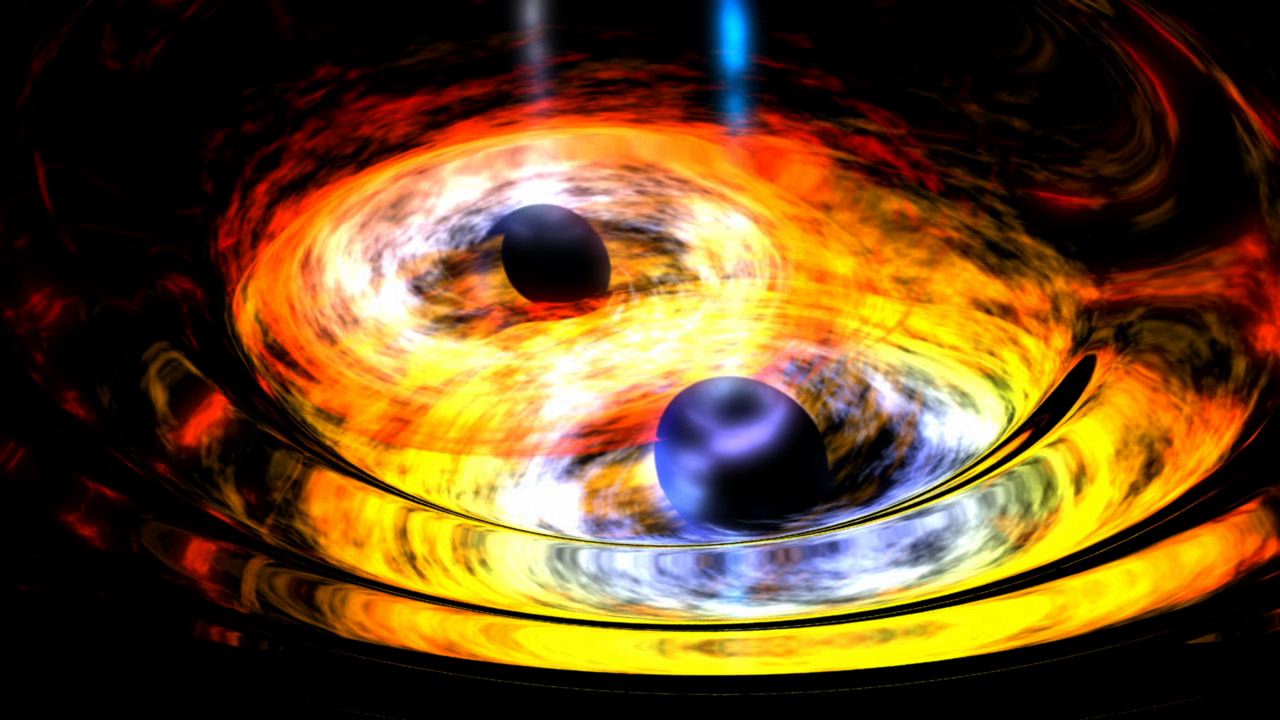
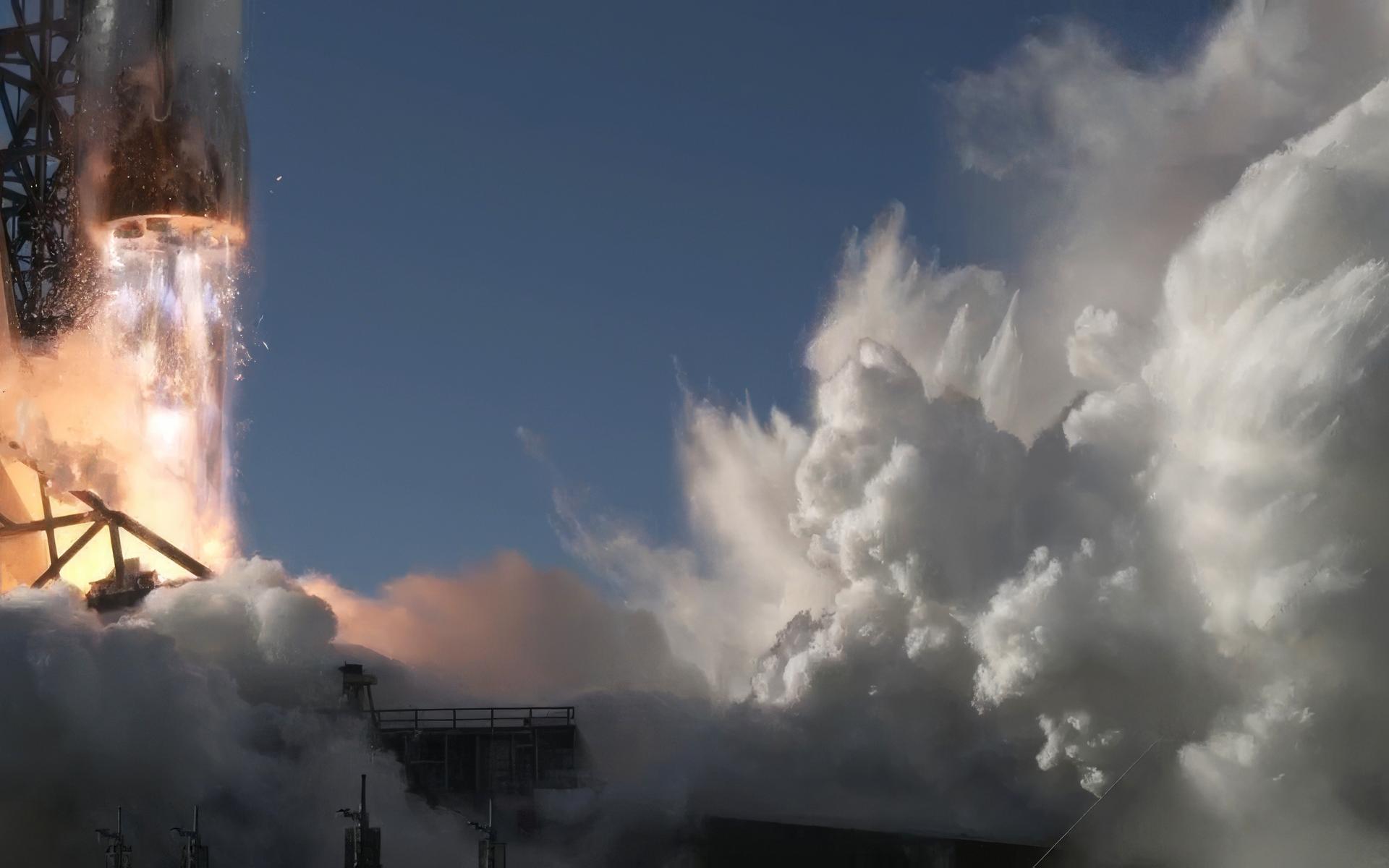
Webb finds a black hole that seems to have come before its galaxy

A 50-million-solar-mass black hole in a galaxy 700 million years after the Big Bang weighs more than the galaxy that surrounds it, supporting the idea that the universe started making giant black holes earlier than the standard story allows.
Spaceflight Now artemismoon-base

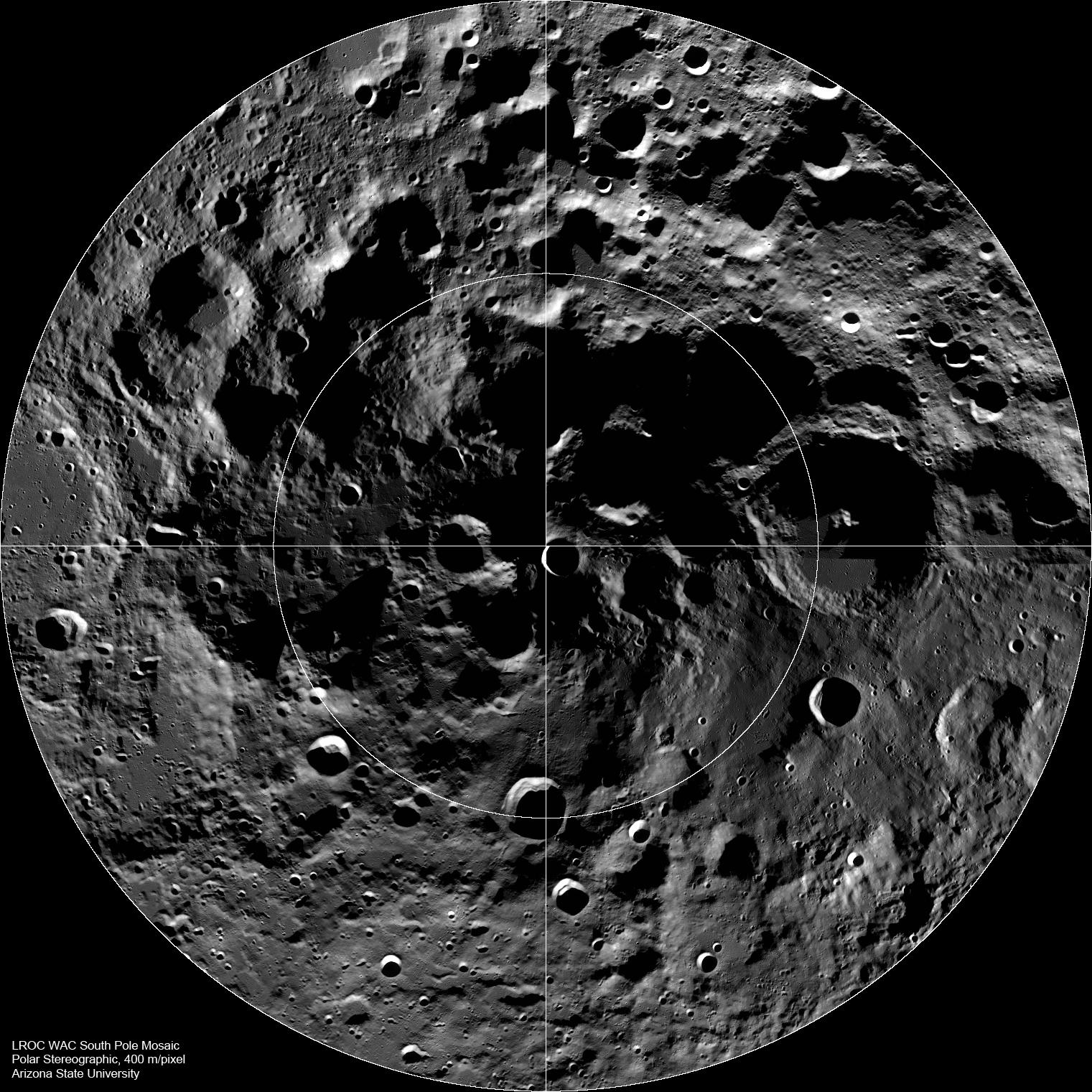
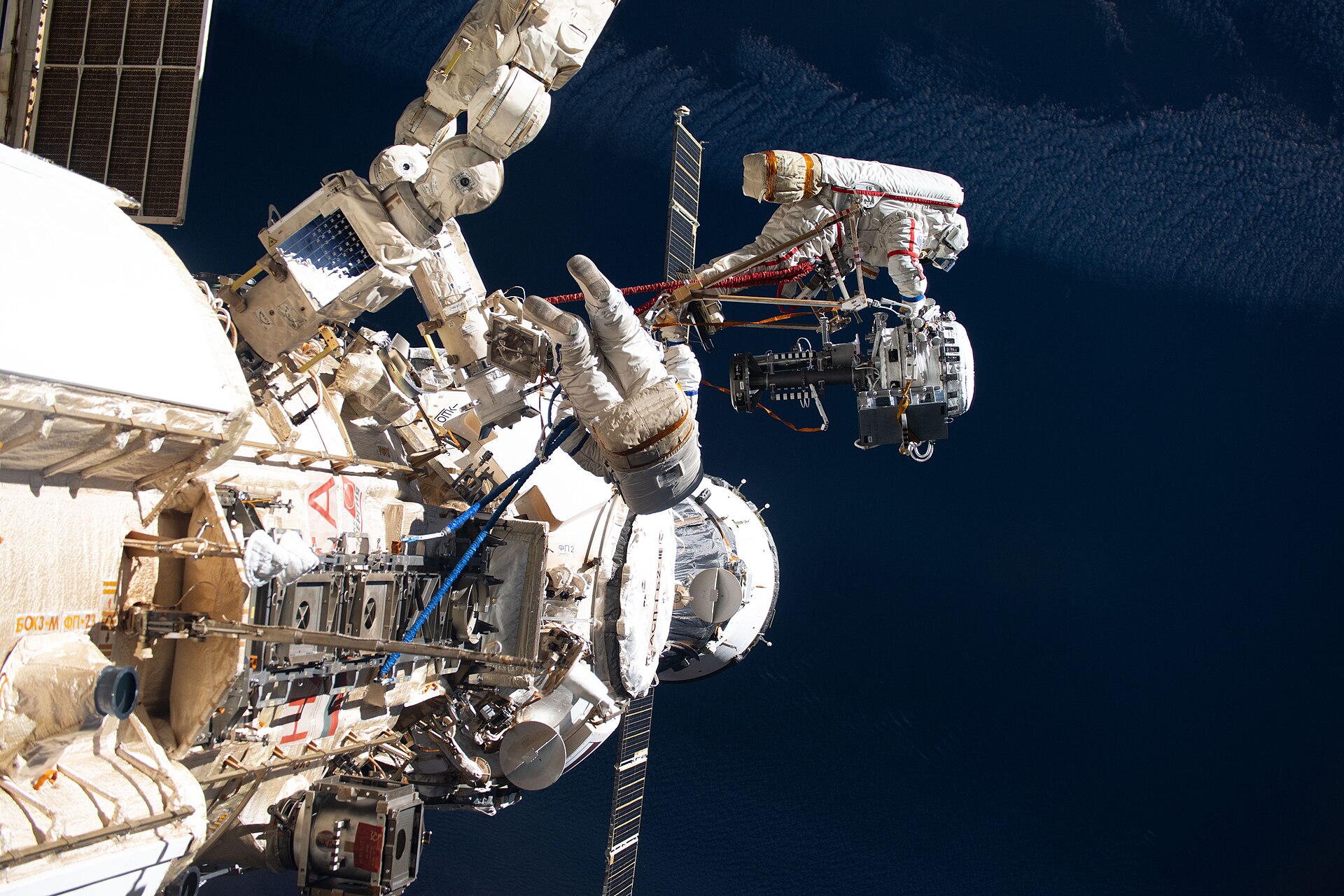
NASA puts $1 billion behind the first phase of an actual moon base

At a press conference in Washington, NASA named the contractors, rovers, and hopping drones that will go to the lunar south pole between now and 2029. It is the first hard schedule of dollars and hardware behind Administrator Jared Isaacman's March pledge to build a permanent base.

arXiv (Powell et al., 2026) tesstriple-star

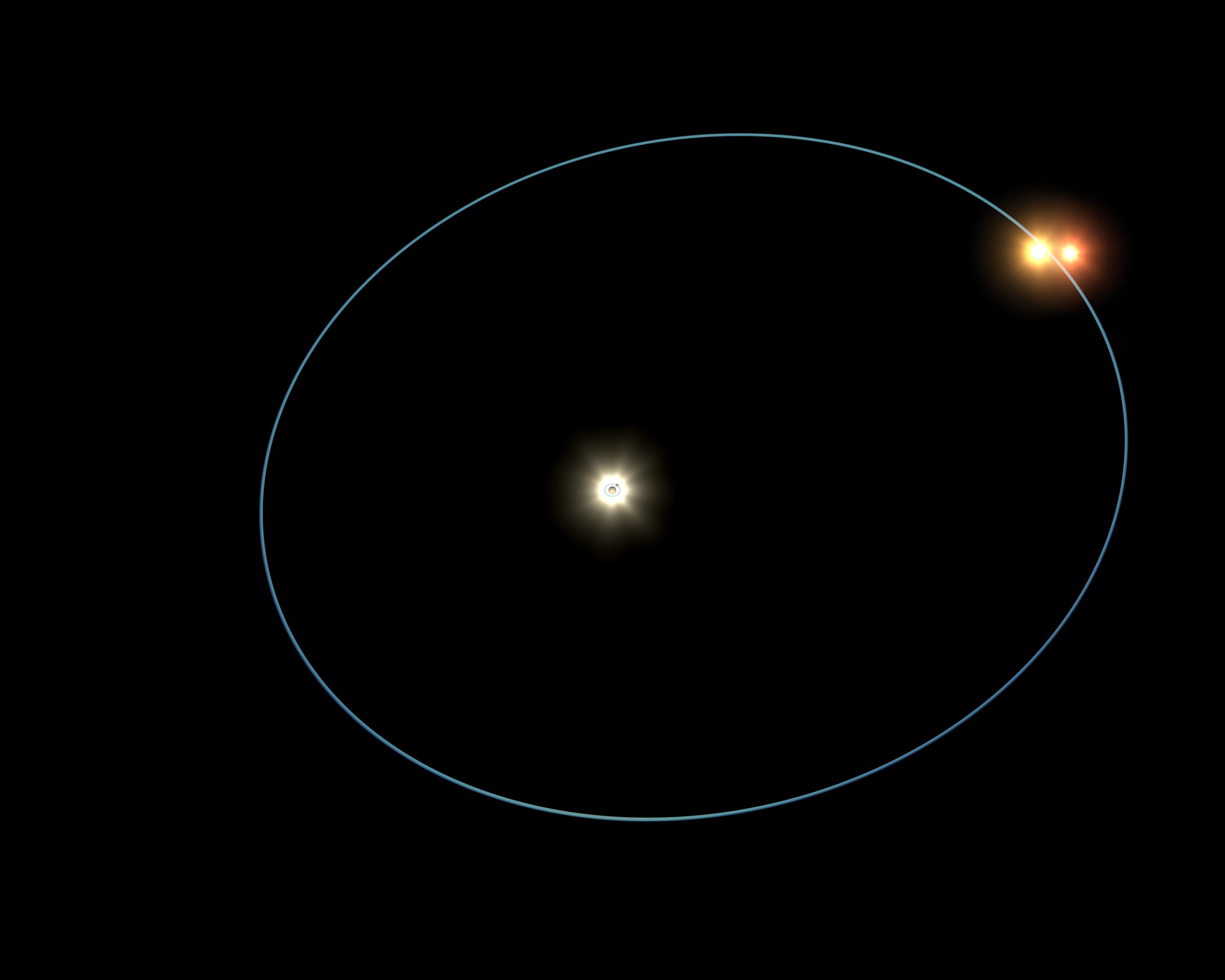
A giant red star, two suns, and a line of sight that lets us measure all three at once

TESS caught a rare triple star system in which a swollen red giant and a pair of sun-like stars orbit on almost exactly the same plane, blocking each other in turn from our viewpoint. The geometry is so well aligned that the masses, sizes, and temperatures of all three stars can be read straight off the light curve.

Frequently asked

Who is this for?

Curious people who find space fascinating but do not have aerospace engineering degrees. The reader who wants to understand why a Starship test flight matters, what Europa Clipper is actually looking for, or why fast radio bursts are so strange. Sagan-era wonder applied to the news cycle.

How do you handle accuracy vs. accessibility?

Every article is both. We never simplify to the point of being wrong, and we never leave jargon unexplained. If we use a technical term, we explain it. If we cannot explain something clearly, we say so. Space is genuinely complicated. The goal is to honor that complexity while making it readable.

What is your coverage policy on UAP?

The same posture Carl Sagan modeled: genuinely curious, rigorous, and skeptical without being dismissive. We cover congressional hearings, Pentagon disclosures, and scientific efforts to study the question seriously. We do not publish conspiracy content or treat extraordinary claims as credible without extraordinary evidence. The UAP question is interesting precisely because it is being taken seriously by credible institutions. We cover that seriously.

What categories do you cover?

Launches (every significant orbital mission and what it means), Science (discoveries from telescopes, rovers, and instruments), Commercial (the business of space from SpaceX economics to satellite imagery markets), Missions (deep dives on active and planned exploration), Astronomy (galaxies, stars, and the universe at scale), and UAP (covered with rigor, not hype).

How often do you publish?

News items run several times a week as the calendar warrants. Analysis pieces run weekly or more during active periods. The weekly brief distills everything into one readable email. Subscribe below.

Get the brief

The weekly Space brief.

One Sunday email. The week's most interesting space stories, what they mean, and what to watch next. Free, no spam, unsubscribe whenever.

Subscribe

Join the list

Drop your email. Weekly brief lands every Sunday.