
There is a way to photograph Earth that does not need sunlight or clear skies, and this morning Rocket Lab put another satellite that can do it into orbit.
What happened
An Electron rocket lifted off from Launch Complex 1 on New Zealand’s Mahia Peninsula at 09:30 UTC on May 22 carrying a Synspective StriX satellite to a 572 km (355 mi) low Earth orbit (LEO, the region of space within roughly 2,000 km of the surface). The mission, named “Viva La StriX,” is the ninth Synspective flight Rocket Lab has flown since the two companies started working together in 2020. Synspective has another 18 launches booked with Rocket Lab to complete its constellation before 2030.
Why it matters
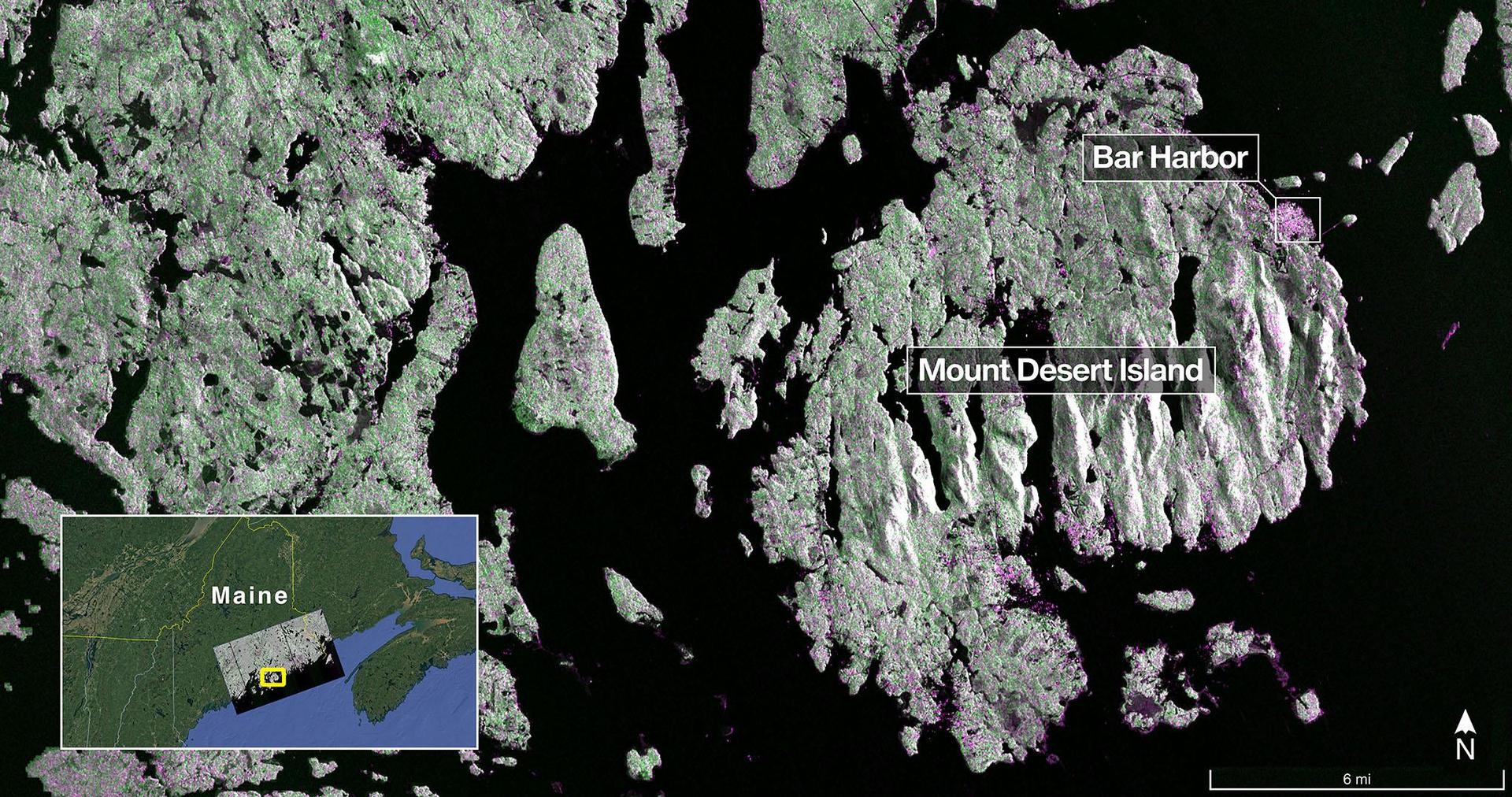
StriX satellites carry synthetic aperture radar, or SAR. Instead of taking pictures with reflected sunlight the way an ordinary camera does, a SAR satellite fires its own radio pulses at the ground and reconstructs an image from the echoes. The technique sees through clouds, works at night, and produces sharp imagery in conditions that blind every optical satellite in orbit.
That distinction is what makes a SAR constellation valuable. An optical Earth-observation fleet revisits a given point every few hours during daylight, then waits for the weather to clear. A dense SAR fleet keeps watching regardless. For port operators, disaster-response teams and infrastructure inspectors, the difference between knowing what a site looked like yesterday and knowing what it looked like an hour ago is the difference between a chart and a decision. Synspective is one of several private operators, alongside Capella Space, ICEYE and Umbra, racing to build that always-on radar layer over Earth. The new space race is not only happening above the atmosphere. A meaningful share of it is pointed back at the surface.
What to watch next
Whether Rocket Lab’s launch cadence, not Synspective’s satellite production, becomes the binding constraint on the constellation finishing before 2030.