
The White House’s FY2026 budget request, released in March, proposes funding NASA at roughly $18.8 billion, a reduction of about 24 percent from the FY2025 enacted level of $24.9 billion. If passed in anything like its current form, it would be the largest single-year cut to the agency since the post-Apollo wind-down in the mid-1970s.
The request will not pass as written. Congress controls appropriations, and both the Senate Commerce Committee and the House Appropriations Subcommittee on Commerce-Justice-Science have signaled they will mark up substantially higher numbers. But the request sets the floor for negotiation and tells us what the administration’s priorities actually are.
What the request funds
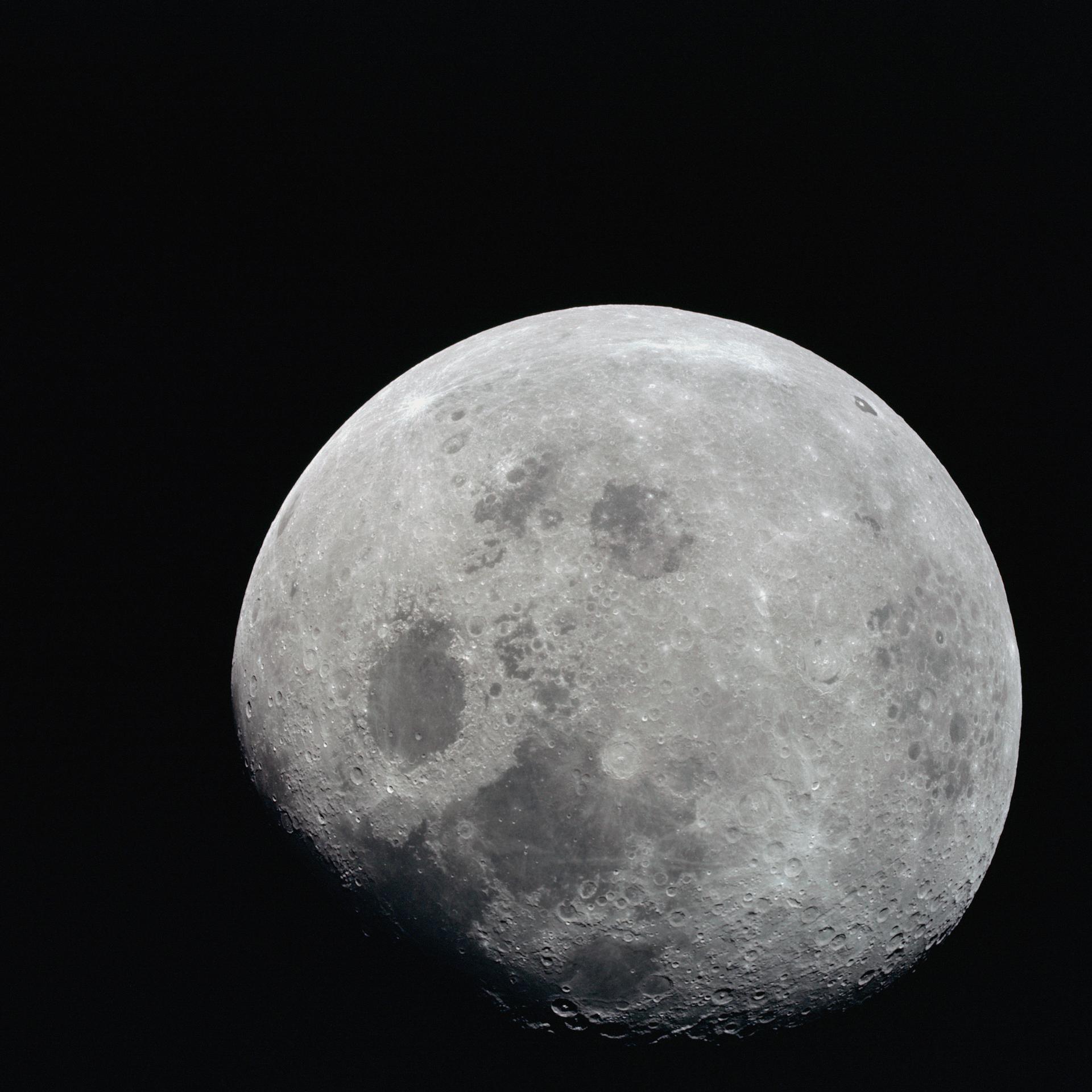
Human exploration is the clear winner in relative terms. The Artemis program receives roughly $7.5 billion, slightly above its current funding, restructured around an explicit goal of returning crews to the lunar surface before the end of the decade. The request frontloads spending on the Human Landing System contracts (SpaceX’s Starship variant and Blue Origin’s Blue Moon Mark 2), surface infrastructure planning, and a new line item for “lunar economic activity,” which appears to be a vehicle for commercial partnerships.
The request also fully funds the Mars Sample Return mission, but only after restructuring it around a smaller, faster architecture that drops the European Space Agency’s Earth Return Orbiter and replaces it with a commercial procurement. The total program cost in the new architecture is projected at $5.5 to $7 billion, down from earlier estimates that had crept past $11 billion.
What it cuts
The cuts fall hardest on the Science Mission Directorate, which would drop from roughly $7.3 billion to about $3.9 billion. Several long-operating missions are slated for termination, including the Mars Atmosphere and Volatile Evolution orbiter (MAVEN), the Juno Jupiter orbiter, the New Horizons extended mission in the Kuiper Belt, and the OSIRIS-APEX asteroid mission. The Chandra X-ray Observatory, which has operated since 1999, would receive only enough funding for a controlled deorbit.
The Nancy Grace Roman Space Telescope, which is essentially complete and awaiting launch, is fully funded. But the next generation of flagship missions, including the Habitable Worlds Observatory recommended by the 2020 decadal survey, would receive only minimal pre-formulation funding.
The Earth Science Division takes a roughly 40 percent cut, with several climate-monitoring missions either canceled outright or transferred to NOAA without corresponding budget transfers.
What it means for Artemis
The restructuring around a faster lunar return is the most consequential change in the document. The request explicitly authorizes NASA to compress the schedule between Artemis II (crewed lunar flyby) and Artemis III (crewed lunar landing), targeting late 2027 for the landing rather than the current official date of mid-2028.
Whether that schedule is achievable depends almost entirely on SpaceX’s progress with Starship’s Human Landing System variant, which requires successful in-orbit propellant transfer, an uncrewed lunar demonstration, and human-rating certification before it can carry astronauts. None of those milestones have been achieved yet.
What to watch next
The House and Senate appropriations bills will move through committee markup during the summer, with floor votes likely in September. The final number for NASA will almost certainly land higher than the request, but probably below the FY2025 enacted level. The question that matters for the science community is not whether cuts happen, but which missions get reprieves and which get terminated.